
In Pakistan, “sustainable fashion” has been slowly gaining popularity over the past few years. In the past, the fashion industry in the country focused on quick trends, mass production, and low prices. However, more and more consumers and designers are now looking for “environmentally responsible and ethically sourced clothing.”
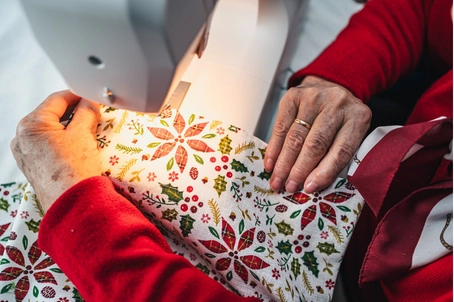
Sustainable fashion focuses on making, selling, and wearing clothes in ways that are “eco-friendly, socially responsible, and ethically aware.” It encourages cutting down on waste, saving resources, and supporting fair labor practices, all while making sure that fashion stays fashionable and desirable.
The movement is still new in Pakistan, but more and more people are becoming aware of it, especially millennials and Gen Z, who are more aware of how their actions affect the environment and how to buy things in an ethical way. Pakistan is slowly moving toward a greener and more responsible fashion industry. This is happening because global trends are affecting local behavior and there are more and more sustainable fashion brands.
Learning About Sustainable Fashion
Sustainable fashion isn’t just a fad; it’s a holistic approach that looks at the whole life of a piece of clothing. This includes:
- Material sourcing-using fabrics that are organic or recycled and don’t hurt the environment.
- Production processes-cutting down on the use of chemicals, water, and energy.
- Labor practices-making sure that artisans and workers are paid fairly, work in safe conditions, and are treated fairly.
- Things to think about at the end of life-to cut down on textile waste, encourage recycling, upcycling, and responsible disposal.
The goal of sustainable fashion is to “balance style with responsibility.” This means that people can wear stylish clothes without adding too much to pollution or unfair labor practices.
Environmental Awareness Leading to Change in Pakistan
Pakistani consumers are becoming more and more concerned about the environment. Cities like Karachi, Lahore, and Islamabad have a lot of pollution problems, and making clothes is one of the causes. Traditional textile manufacturing uses a lot of water, toxic dyes, and synthetic fabrics, all of which hurt the environment.
People in their 20s and 30s are now asking questions like:
- “Where do they make my clothes?”
- “Does it hurt the environment?”
- “Are workers treated fairly?”
These questions have made brands rethink how they make things. More and more people are starting to notice brands that use organic cotton, bamboo, hemp, and recycled fabrics. More and more, conscious buyers are interested in campaigns that focus on using less water, dyes that don’t contain chemicals, and having a smaller carbon footprint.
Responsibility for Ethics and Society
Sustainable fashion is more than just good for the environment; it also means treating workers fairly. This is especially true in Pakistan, where traditional textile production often depends on workers who are paid very little and work in dangerous conditions.
People now value brands that:
- Make sure workers get fair pay
- Help communities of artisans
- Don’t use unfair labor practices
Social media has made people more aware. Consumers can use sites like Instagram and Facebook to find out where products come from, how they are made, and how brands operate. This openness has pushed designers and brands to include ethical practices in how they do business.
How Global Trends Affect
Pakistan’s growing sustainable fashion movement is heavily influenced by fashion trends around the world. More and more, international brands and influencers are pushing for “eco-conscious and slow fashion.” This is having an effect on local markets.
Fashion weeks, online campaigns, and working with international designers have helped Pakistani designers see how important sustainable fashion is. This exposure has motivated local brands to:
- Use fabrics that are good for the environment
- Encourage hand-making and artisan skills
- Shorten the time it takes to make fast fashion
Global campaigns to raise awareness about climate change and ethical consumption have also made it to Pakistan. These campaigns have encouraged both brands and consumers to make “conscious choices.”
Fashion brands in Pakistan that are good for the environment
A number of Pakistani brands are at the forefront of sustainable fashion by making clothes that are good for the environment and made in a fair way. A few well-known examples are:
- Couture & Care – This brand focuses on using organic fabrics and traditional handcrafting methods.
- Khaadi’s Sustainable Line supports the use of recycled fabrics and slow fashion ideas.
- Sana Safinaz Eco Collection – Focuses on designs that are good for the environment and made in a way that is fair.
- Generation – Uses materials that are good for the environment and helps local artisans.
These brands are slowly changing how people think about fashion, showing that eco-friendly fashion can be “stylish, trendy, and desirable” while also encouraging people to care about the environment.
Consumer Behavior: Millennials Are Changing Things
Millennials are becoming the main force behind the sustainable fashion movement in Pakistan. This group of people is more aware of social responsibility and environmental issues than people of previous generations.
Some important things about millennial consumers are:
- Choosing quality over quantity
- Willingness to pay more for products that are ethical
- Use social media to share and promote eco-friendly choices
- Wanting to help local brands and artisans
This change in demographics is making people want eco-friendly fashion and pushing more brands to use environmentally friendly methods.
How social media helps promote eco-friendly fashion
In Pakistan, social media has been very important in spreading the word about eco-friendly fashion. Instagram, TikTok, and Facebook are used by influencers, fashion bloggers, and eco-conscious activists to teach people about ethical brands and sustainable practices.
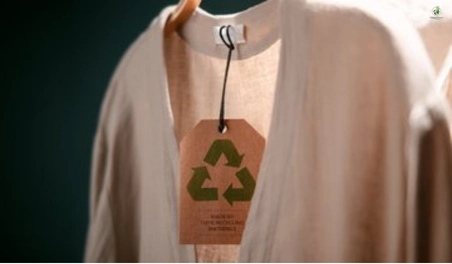
Some good strategies are:
- Showing behind-the-scenes production to show how workers are treated fairly
- Encouraging fabrics and materials that are good for the environment
- Giving advice on how to recycle, reuse, and take care of clothes
This visibility helps brands reach a younger, socially aware audience that cares about both style and the environment.
Problems with Sustainable Fashion in Pakistan
Even though more people are aware of it, sustainable fashion in Pakistan still has a lot of problems:
More expensive to make
Fabrics that are good for the environment and workers who are treated fairly often cost more to make, which can mean higher prices for customers.
Not Enough Knowledge
Even though more people are becoming aware, many shoppers still don’t know what the benefits of sustainable fashion are. To get more people to use it, education campaigns are important.
Problems with the supply chain
It can be hard to find sustainable fabrics close to home. A lot of brands use organic materials from other countries, which makes things more expensive and complicated.
How Consumers Think
People still like fast fashion because it’s cheap and people buy it because it’s trendy. It takes time to change how people shop so that they value sustainability over quantity.
New fabrics and materials
Using environmentally friendly fabrics is one of the most important parts of sustainable fashion. Pakistani designers are trying out:
- Organic Cotton: Grown without chemicals or pesticides that are bad for the environment.
- Bamboo Fabric: This fabric is naturally antibacterial and will break down over time.
- Hemp: Strong, doesn’t need a lot of water, and can be grown again and again.
- Recycled Polyester: This fabric is made from plastic bottles that have been used before, which cuts down on waste.
Brands can make high-quality, long-lasting clothes while having less of an effect on the environment by using these materials.
Fashion that lasts vs. fashion that goes fast
Sustainable fashion is often in line with the “slow fashion movement,” which is very different from fast fashion. The main ideas behind slow fashion are:
- Clothes that are well-made and last longer
- Classic styles instead of trends that come and go
- Consumers who are “mindful” of what they buy
In Pakistan, slow fashion is slowly becoming more popular with people who are willing to pay more for clothes that are both eco-friendly and stylish.
Stories of Success for Sustainable Designers
Some Pakistani designers have had a lot of success with eco-friendly collections:
- Sadaf Malaterre – uses eco-friendly materials and techniques from local artisans.
- Deepak Perwani – Supports the idea of slow fashion by making small, high-quality collections.
- Maheen Khan backs traditional weaving and cuts down on the use of chemical dyes.
These designers show that fashion that is good for the environment can also be stylish, profitable, and socially responsible.
Tips for Shoppers to Buy Fashion That Is Good for the Environment
People in Pakistan can actively support sustainable fashion by:
- Choosing quality over quantity – Buy fewer clothes that will last longer.
- Buying from local brands – This supports ethical business practices and artisan work.
- Recycling and upcycling – turn old clothes into new styles.
- Putting eco-friendly fabrics first – Look for fabrics made from organic cotton, bamboo, or recycled materials.
- Stay away from fast fashion trends and instead focus on classic pieces.
Consumers can help reduce waste and promote sustainability in Pakistan’s fashion industry by making smart choices.
The Future of Eco-Friendly Fashion in Pakistan
There are a number of trends that are likely to speed up the growth of sustainable fashion in Pakistan, which is a good sign for the future:
- More people are aware of the issue because of social media and educational campaigns.
- New technologies that make eco-friendly fabrics and ways of making them.
- Government incentives to promote production that is good for the environment.
- Working with global sustainable brands to bring the best practices from around the world.
As eco-friendly fashion becomes more popular, it could turn Pakistan’s fashion industry into a “model of eco-conscious and socially responsible business.”
In Conclusion
Sustainable fashion is still new in Pakistan, but it is growing steadily and having an impact. The market is slowly changing because of things like environmental awareness, ethical concerns, the influence of millennials, and global fashion trends.
Local designers and brands are showing that clothes that are good for the environment can also be fashionable, cool, and good for people. People can now choose from more options than ever to support “ethical production, artisan work, and eco-friendly materials.”
As more people learn about it and the infrastructure gets better, sustainable fashion in Pakistan is likely to grow from a small niche to a major part of the fashion industry, combining style with social and environmental responsibility.
Both brands and consumers can help make Pakistan’s future “greener, fairer, and more stylish” by using sustainable fashion practices.
Stay tuned – Global News brings you news that matters!